Mold Remediation in Twin Falls, ID
Restore A Safe, Healthy Home After Mold
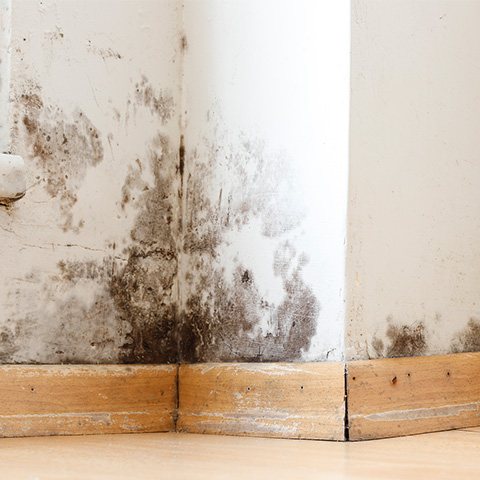
Dark staining on drywall, peeling paint in a damp basement, or a musty odor that never fully disappears can quickly shift from a minor concern to a major source of stress. Many property owners in Twin Falls first notice mold after a leak, flood, or plumbing issue, then start asking bigger questions. How far has it spread? Is it affecting indoor air quality? Will it require tearing into walls? At Magic Valley Restoration & Construction, we provide professional mold remediation Twin Falls home and business owners trust when they need clear answers and decisive action.
We are a locally based restoration company serving properties throughout the Magic Valley. Our technicians hold IICRC and EPA certifications, and we remain available 24 hours a day when water damage and mold demand immediate attention. When you contact us, we respond with a structured plan. We assess the conditions, explain what we find in plain language, and outline practical next steps so you understand exactly what will happen.
Need mold remediation in Twin Falls? Call us at (208) 215-7607 or message us online today!
You do not need to diagnose the issue before calling. You do not need to know whether the growth covers a small surface area or hides behind building materials. Our role involves identifying the source, defining the scope, and guiding you from discovery to restoration.
Why Property Owners in Twin Falls Choose Our Team
Inviting a mold remediation contractor into your property requires trust. You rely on that team to protect your home, your health, and your investment. At Magic Valley Restoration & Construction, local ownership shapes how we operate. John and Kristie Holman stay directly involved in daily operations, which means accountability remains close to every project.
Our technicians follow standards set by the Institute of Inspection Cleaning and Restoration Certification (IICRC) and Environmental Protection Agency (EPA). These standards guide how we inspect moisture, establish containment, remove affected materials, and restore impacted areas. Technical knowledge alone does not define a successful project. Communication plays an equally important role. We explain what we see, why it matters, and how each step addresses the issue.
Insurance often enters the conversation when mold develops after water damage. We assist by documenting findings and coordinating with your adjuster as needed. While policy decisions remain with your carrier, we supply the detailed information they typically request. That support reduces confusion and helps you stay focused on restoring your property.
What to Do When You Discover Mold
Finding mold can trigger panic, but thoughtful action limits further damage. Before our team arrives, take a few simple precautions:
- Avoid scrubbing or disturbing visible mold growth.
- Do not aim fans directly at affected areas.
- Shut off the water source if an active leak continues and you can do so safely.
- Keep children, elderly family members, and anyone with respiratory sensitivities away from the area.
- Call Magic Valley Restoration & Construction to discuss what you see and schedule an assessment.
Many mold issues begin with excess moisture. A slow plumbing leak inside a wall cavity, roof intrusion during a storm, or poor ventilation in bathrooms can create conditions that allow mold to grow. Even if the visible area looks small, hidden moisture may exist behind surfaces. Our evaluation determines the full extent.
Our Mold Remediation Process
We approach every project with a structured, step-by-step method that aligns with industry standards and adapts to your property’s layout.
- Inspection and Moisture Assessment
We conduct a detailed visual inspection and use moisture detection tools to identify affected materials. We look beyond visible staining and evaluate surrounding areas for elevated moisture. - Containment Setup
We isolate the affected zone using containment barriers and negative air pressure when appropriate. This step limits the spread of spores to clean areas. - Air Filtration
We operate air filtration devices designed to capture airborne particles. Maintaining controlled air quality remains essential during remediation. - Removal of Affected Materials
When materials such as drywall, insulation, or carpeting cannot be effectively cleaned, we remove them carefully. We handle debris in a controlled manner to prevent cross-contamination. - Cleaning and Surface Treatment
We clean and treat salvageable surfaces according to established remediation practices. Our focus remains on eliminating active growth and addressing underlying moisture sources. - Drying and Monitoring
If water damage contributed to the issue, we deploy drying equipment and monitor moisture levels until materials return to acceptable ranges. - Restoration and Repairs
As a full-service restoration company, we manage reconstruction when necessary. That continuity allows you to work with one team from start to finish.
Throughout each phase, we explain progress and timelines so you understand what to expect.
Common Mold Situations in Twin Falls Properties
Properties in Twin Falls encounter mold for several reasons. Seasonal moisture shifts, irrigation runoff near foundations, plumbing failures, and HVAC condensation all create conditions that support growth.
Basements and crawlspaces frequently experience elevated humidity. Bathrooms without adequate ventilation often show repeated staining near ceilings or grout lines. Kitchens with slow sink leaks may develop mold inside cabinets. In commercial buildings, roof leaks sometimes affect ceiling tiles and insulation.
Persistent musty odors often signal hidden moisture. Recurring staining around windows or walls suggests that a leak remains unresolved. When occupants notice increased respiratory irritation in a specific area, investigation becomes important.
Addressing the source matters just as much as removing visible growth. If moisture remains, mold can return. Our process targets both the contamination and the conditions that allowed it to develop.
Supporting You Through Restoration
Mold rarely exists in isolation. It often connects to broader structural or water issues. Because our team handles fire, water, sewage, and reconstruction projects, we evaluate the entire building system rather than focusing on one isolated patch of growth.
We protect unaffected areas, safeguard belongings, and clean work zones carefully. We maintain open communication so you never wonder what comes next. If structural rebuilding becomes necessary, we coordinate that phase seamlessly.
Restoration affects daily routines. We aim to minimize disruption while prioritizing thorough remediation. Whether we work in a residential bathroom or a larger commercial property, we remain focused on restoring safe, usable space efficiently and responsibly.
FAQs About Mold Remediation in Twin Falls, ID
1. How do I know if the mold problem in my Twin Falls home requires professional remediation?
If mold covers more than a small isolated area, returns after cleaning, or follows a water event, professional evaluation makes sense. Strong odors or recurring staining often indicate hidden moisture that requires trained assessment.
2. Can mold spread to other rooms in my house?
Yes. Mold spores travel through air currents. Without containment, disturbance can allow spores to settle in other areas. Our containment and filtration measures limit that risk during remediation.
3. How long does mold remediation usually take in Twin Falls properties?
Project length depends on size, material involvement, and moisture conditions. Smaller areas may take several days. Larger or more complex projects require additional time for removal, drying, and repairs.
4. Do you handle mold in commercial buildings as well as homes?
Yes. We remediate mold in offices, retail spaces, and other commercial properties throughout Twin Falls and the surrounding area.
5. Will I need to leave my home during remediation?
Many projects allow occupants to remain in unaffected areas. The answer depends on the size of containment zones and the health considerations of those inside the building.
6. What causes mold to return after cleaning?
Mold often returns when the underlying moisture source remains unresolved. Proper remediation addresses both contamination and moisture control.
7. Does homeowners insurance cover mold remediation?
Coverage depends on the cause of damage and policy terms. We assist with documentation and communicate with adjusters when needed.
8. Can mold grow behind walls without visible signs?
Yes. Slow leaks and condensation inside cavities can support hidden growth. Musty odors or soft drywall sometimes signal concealed moisture.
9. How quickly should I act after discovering mold?
Prompt action limits spread and structural impact. Early assessment often reduces the scope of work required.
10. Do your technicians carry proper certifications for mold remediation in Twin Falls?
Yes. Our team holds IICRC certifications and follows EPA guidelines to guide safe and effective remediation practices.
Need mold remediation in Twin Falls? Call us at (208) 215-7607 or message us online today!

Why Hire Our MVRC Team?
Committed to Delivering Quality Work

-
Top Rated Reviews
-
Licensed, Bonded, and Insured
-
1 Year Warranty On All Completed Jobs
-
Locally & Family Owned with Hands-On Owners
-
24/7 Emergency Plumbing & Restoration Services
Frequently Asked Questions
-
What Does Black Mold Look Like?You can often distinguish black mold from other types of mold or fungus by its slimy, dark-greenish color. It requires ample moisture to grow and thrive, so you will probably also notice signs of water damage around where it is located.
-
Is Black Mold Dangerous?Certain strands of black mold – Stachybotrys chartarum – can cause health problems if inhaled or ingested, especially for people with allergies, weakened immune systems, or respiratory issues. Not all types of black mold are dangerous. However, you might not be able to differentiate between one black mold and the next without laboratory testing. The safer choice is to always schedule a mold removal and remediation service whenever you spot mold in your house.
-
My Water Heater Is Leaking — What Do I Do?If it is safe to do so and you know how to do it correctly, shut off the water supply to your water heater. Next, turn off the power supply to the water heater. Both of these steps can help prevent further leaks and damage to the water heater. You might always want to loosen the drain valve and start collecting water in a bucket, ensuring no more leaks out. Call a professional to get the entire water heater inspected and repaired.
-
I Have Water in My Crawlspace — What Do I Do?Water in a crawlspace can harbor mold growth, make a cozy home for pests, and spike your water utility bills if it is caused by a leak. It can be remedied in some cases with a sump pump, vapor barriers, and dehumidifiers. Our pros can help decide the best restoration method for your situation.