Disinfection Service in Jerome County, ID
IICRC & EPA Certified Disinfection Cleaning for Homes & Businesses
When contamination enters your home or workplace, the question isn’t just what to clean. It’s what’s hiding behind it. At Magic Valley Restoration & Construction, we provide professional disinfection cleaning in Jerome County with the restoration background to assess both the surface contamination and the underlying damage driving it. Our technicians are IICRC certified and trained in the proper application of EPA registered disinfectants, and as a locally and family-owned company led by John and Kristie Holman, we bring owner-level accountability to every project.
Disinfection needs across Jerome County commonly follow water damage, sewage backups, illness exposure, and prolonged moisture conditions. Contamination after these events can extend beyond visible surfaces into wall cavities, subfloor materials, and HVAC pathways, making professional assessment important. We’re based in Twin Falls and available 24/7 for situations that can’t wait.
Need disinfection cleaning in Jerome County? Call us at (208) 215-7607 or send us a message online today!
Why Jerome County Property Owners Choose Magic Valley Restoration & Construction
General cleaning services treat surfaces. We treat the source. Because we also handle water damage, sewage cleanup, mold removal, and full restoration, disinfection work here is coordinated with underlying damage remediation rather than layered on top as an afterthought.
Our credentials back that approach. We’re licensed, bonded, and insured, and we carry a 1-year warranty on completed jobs. We handle insurance documentation and can help you understand the claims process from the start. John and Kristie Holman are actively involved in every project, so accountability doesn’t stop at the front office. We also serve clients in Spanish (Se Habla Español).
What Our Disinfection Cleaning Process Looks Like
Every project begins with an on-site assessment. Our technicians examine flooring, walls, furnishings, and high-touch surfaces while evaluating airflow, moisture conditions, and how the space functions day to day. That information shapes every decision that follows.
Before any disinfectant is applied, thorough cleaning comes first. Dirt, debris, biofilms, and compromised porous materials prevent products from reaching the pathogens they’re meant to address. Removing them isn’t a preliminary step. It’s a required part of the process.
Once surfaces are properly prepared, our team applies EPA registered disinfectants using methods matched to each surface type. Hard, non-porous areas in high-contact spaces receive focused attention: kitchens, bathrooms, break rooms, offices, and shared equipment areas. We explain which areas are being treated, how long products need to dwell, and when normal use can safely resume. Unaffected areas are protected throughout, appropriate personal protective equipment is used on every project, and we leave the workspace orderly when we’re done.
When Professional Disinfection Makes Sense
Routine cleaning handles everyday maintenance. Professional disinfection makes sense when contamination involves sewage backups, category 2 or 3 water intrusion, flooding, or illness exposure in shared spaces. These situations introduce microorganisms that household products can’t reliably address, and they often affect building materials in ways that aren’t visible from the surface.
Disinfection is also appropriate after illness events, particularly when vulnerable individuals are present or when multiple people share a space. During the assessment, our team can identify related concerns such as damp wall cavities or materials requiring removal rather than treatment, and explain what those findings mean for your situation. If professional disinfection isn’t what your situation calls for, we’ll tell you that too.
Serving Homes & Businesses Across Jerome County
Jerome County properties face contamination risks tied to plumbing failures, appliance leaks, irrigation system issues, and cold-weather pipe events. The county’s agricultural and rural character also means some commercial facilities carry sanitation responsibilities that go well beyond a typical office or retail environment, and rural properties on well or irrigation water systems can face contamination types that differ from standard municipal water failures.
We serve homes, offices, rental properties, and small commercial facilities throughout the county, adapting our approach based on how each space is used. Resident families, business employees, tenants, and customers all have different needs, and we account for that from the first call. We’re based in Twin Falls and positioned to respond across Jerome County whenever you need us.
FAQs About Disinfection Cleaning in Jerome County
- When should I call a disinfection company instead of cleaning it myself?
Professional disinfection is the right call when contamination involves sewage, dirty floodwater, or illness exposure in a shared space. These situations require methods and EPA registered products beyond what household cleaners provide, and the contamination often reaches areas that aren’t visible without a proper assessment. - Are the disinfectants your team uses safe for my family or employees?
EPA registered disinfectants, applied correctly with appropriate dwell times and surface matching, focus on reducing risk while protecting occupants and property. Our team explains product use and any safety considerations before work begins so there are no surprises. - How long does a disinfection project typically take?
The timeline depends on the size of the affected area, the contamination source, and whether material removal is needed before disinfection can proceed. We discuss realistic timeframes after assessing the property. - Do I need to leave my home or business during the work?
Some projects allow for isolated work zones that let unaffected areas stay in use. Others may require temporarily vacating affected spaces. We evaluate conditions on arrival and explain what makes sense for safety and practicality. - Does disinfection help after a sewage backup?
Yes. Disinfection plays a critical role after sewage exposure, alongside cleaning and removal of affected materials. Because we handle both disinfection and full restoration work, we can address the contamination and the underlying damage in a coordinated scope rather than as separate jobs. - Can your team help with insurance documentation?
We provide documentation of services performed and can help you explain the work clearly to your insurance carrier. See the insurance documentation section on this page for more detail on what that record includes and how it supports your claim. - How quickly can your team respond in Jerome County?
We offer 24/7 response and work to reach Jerome County properties as promptly as possible from our Twin Falls base. Call us any time and we’ll give you an honest estimate of arrival. - What surfaces receive the most attention during disinfection cleaning?
High-touch surfaces get prioritized attention in every scope: door handles, counters, fixtures, and shared equipment. Areas directly affected by the contamination source receive the most thorough treatment regardless of surface type. - Will disinfection reduce the odor from contamination?
Odor elimination isn’t the primary goal of disinfection, but proper cleaning and antimicrobial treatment often reduce odors associated with bacteria and contamination sources. Persistent odor after disinfection can signal that underlying material damage still needs to be addressed. - How do I know if I need disinfection, restoration, or both?
A conversation with our team is the fastest way to find out. We assess the source, the extent of contamination, and what each affected material requires, then give you a clear explanation of your options rather than a one-size scope.
Need disinfection cleaning in Jerome County? Call us at (208) 215-7607 or send us a message online today!

Why Hire Our MVRC Team?
Committed to Delivering Quality Work

-
Top Rated Reviews
-
Licensed, Bonded, and Insured
-
1 Year Warranty On All Completed Jobs
-
Locally & Family Owned with Hands-On Owners
-
24/7 Emergency Plumbing & Restoration Services
Frequently Asked Questions
-
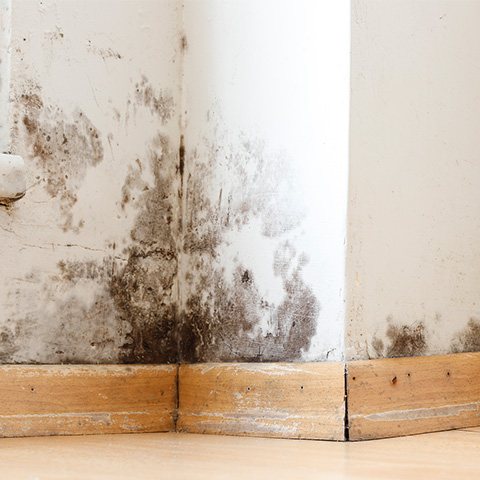
What Does Black Mold Look Like?You can often distinguish black mold from other types of mold or fungus by its slimy, dark-greenish color. It requires ample moisture to grow and thrive, so you will probably also notice signs of water damage around where it is located.
-
Is Black Mold Dangerous?Certain strands of black mold – Stachybotrys chartarum – can cause health problems if inhaled or ingested, especially for people with allergies, weakened immune systems, or respiratory issues. Not all types of black mold are dangerous. However, you might not be able to differentiate between one black mold and the next without laboratory testing. The safer choice is to always schedule a mold removal and remediation service whenever you spot mold in your house.
-
My Water Heater Is Leaking — What Do I Do?If it is safe to do so and you know how to do it correctly, shut off the water supply to your water heater. Next, turn off the power supply to the water heater. Both of these steps can help prevent further leaks and damage to the water heater. You might always want to loosen the drain valve and start collecting water in a bucket, ensuring no more leaks out. Call a professional to get the entire water heater inspected and repaired.
-
I Have Water in My Crawlspace — What Do I Do?Water in a crawlspace can harbor mold growth, make a cozy home for pests, and spike your water utility bills if it is caused by a leak. It can be remedied in some cases with a sump pump, vapor barriers, and dehumidifiers. Our pros can help decide the best restoration method for your situation.