Mold Remediation Twin Falls County
IICRC- & EPA-Certified Mold Remediation for Twin Falls County Properties
We provide mold remediation in Twin Falls County for residential and commercial properties affected by leaks, flooding, poor ventilation, and hidden moisture. Visible growth, persistent musty odors, recurring stains, or mold that returns after cleaning can indicate a moisture problem beyond the exposed surface. Our IICRC- and EPA-certified technicians assess the affected materials and surrounding areas before developing a remediation plan.
At Magic Valley Restoration & Construction, we’re available for water damage and mold emergencies. We use moisture detection tools to evaluate drywall, insulation, carpeting, crawlspaces, ceilings, and other areas where damp conditions may remain concealed. This assessment helps us determine the appropriate containment, removal, drying, and repair steps for the property.
Mold exposure can cause irritation or allergic symptoms for some people, but reactions and individual health considerations vary. Avoid disturbing visible growth or directing fans toward affected areas before receiving professional guidance. Our goal is to identify the extent of the damage, explain the available service path, and communicate clearly throughout the project to support informed decisions.
Call (208) 215-7607 for emergency service or to schedule a mold damage assessment.
Certified Mold Remediation with Direct Owner Involvement
Owners John and Kristie Holman remain directly involved in daily operations. Their oversight supports the honest communication, property protection, and detailed attention we bring to each mold remediation project. Our technicians follow IICRC and EPA guidance while keeping clients informed about findings, project progress, and expected timelines.
Our service includes:
- 24/7 emergency availability: We respond to water damage and mold concerns.
- Certified remediation practices: Our technicians hold IICRC and EPA certifications.
- Insurance documentation: We document relevant findings and coordinate with insurance adjusters when mold develops after water damage.
- Restoration support: We handle restoration and reconstruction when damaged building materials require repair or replacement.
Insurance coverage depends on the policy and the cause of the moisture or water damage. We can assist with documentation and communication related to an insurance claim, but the insurance provider determines whether coverage applies.
Our Mold Remediation Process in Twin Falls County
Effective remediation addresses both the mold-affected materials and the moisture conditions that allowed growth to develop. Removing or covering visible growth without correcting the water source can allow the problem to return. We connect inspection, controlled containment, material removal, drying, and reconstruction through one coordinated service path.
Inspection & Moisture Assessment
We inspect visible mold, affected building materials, and surrounding areas that may contain hidden moisture. Moisture detection tools help us evaluate the extent of the problem and identify conditions that need to be addressed. We then explain the proposed work and the factors that may affect the project timeline.
Containment & Air Filtration
We establish containment around the work area and use negative air pressure when appropriate to limit cross-contamination. Managed airflow and air filtration help reduce the movement of airborne spores into unaffected areas while remediation is underway.
Affected-Material Removal
Porous materials may need to be removed when they can’t be effectively cleaned. Depending on the damage, this may include drywall, insulation, carpeting, or other building materials. We remove affected materials carefully and manage them according to the project plan.
Cleaning, Drying & Monitoring
We clean and treat salvageable surfaces using methods appropriate for the affected material. HEPA vacuuming and antimicrobial treatments may be applied to affected surfaces. When water damage contributes to mold, we deploy drying equipment and monitor moisture levels as the area dries.
Repairs & Reconstruction
Remediation can leave walls, flooring, insulation, or other components in need of repair. Our restoration processes can include the reconstruction required after affected materials have been removed. We also provide aftercare guidance related to moisture management and ongoing property maintenance.
Idaho Mold Cleanup Guidance & Property Precautions
No Idaho agency regulates mold in structures. That makes recognized industry certification and careful cleanup practices important when selecting a remediation provider. The Homeowner’s and Renter’s Guide to Mold Cleanup after Disasters, developed by the EPA along with FEMA, HUD, CDC, and NIH, recommends hiring a mold inspection or remediation professional with recognized certification, including IICRC certification, after disaster-related mold damage.
The necessary precautions depend on the affected materials, moisture source, and extent of contamination. Property owners shouldn’t paint, caulk, or otherwise cover mold before addressing the underlying water problem.
Before remediation begins:
- Avoid disturbing or removing mold-affected materials without appropriate guidance.
- Don’t direct fans at visible growth because uncontrolled airflow can spread mold.
- Don’t mix cleaning products, and follow all manufacturer safety instructions.
- Address active leaks or water intrusion when it’s safe to do so.

Why Hire Our MVRC Team?
Committed to Delivering Quality Work

-
Top Rated Reviews
-
Licensed, Bonded, and Insured
-
1 Year Warranty On All Completed Jobs
-
Locally & Family Owned with Hands-On Owners
-
24/7 Emergency Plumbing & Restoration Services
Frequently Asked Questions
-
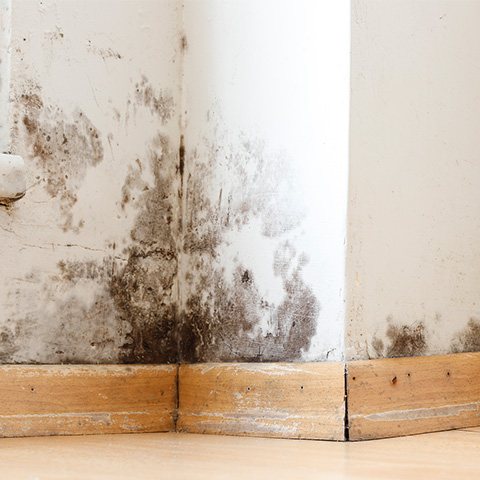
What Does Black Mold Look Like?You can often distinguish black mold from other types of mold or fungus by its slimy, dark-greenish color. It requires ample moisture to grow and thrive, so you will probably also notice signs of water damage around where it is located.
-
Is Black Mold Dangerous?Certain strands of black mold – Stachybotrys chartarum – can cause health problems if inhaled or ingested, especially for people with allergies, weakened immune systems, or respiratory issues. Not all types of black mold are dangerous. However, you might not be able to differentiate between one black mold and the next without laboratory testing. The safer choice is to always schedule a mold removal and remediation service whenever you spot mold in your house.
-
My Water Heater Is Leaking — What Do I Do?If it is safe to do so and you know how to do it correctly, shut off the water supply to your water heater. Next, turn off the power supply to the water heater. Both of these steps can help prevent further leaks and damage to the water heater. You might always want to loosen the drain valve and start collecting water in a bucket, ensuring no more leaks out. Call a professional to get the entire water heater inspected and repaired.
-
I Have Water in My Crawlspace — What Do I Do?Water in a crawlspace can harbor mold growth, make a cozy home for pests, and spike your water utility bills if it is caused by a leak. It can be remedied in some cases with a sump pump, vapor barriers, and dehumidifiers. Our pros can help decide the best restoration method for your situation.