Wind & Storm Damage Restoration in Twin Falls, ID
24/7 Storm Damage Repair Services
Has your property suffered from heavy rainfall, hail, flash flooding, high winds, a tornado, or a fallen tree? At Magic Valley Restoration & Construction, we stand ready to deliver comprehensive wind and storm damage restoration in Twin Falls and nearby communities. When you call, we dispatch a highly trained crew right away to start repairs and protect your property.
Our team knows fast response matters when storm damage strikes. Quick action not only limits further damage, but also helps reduce stress for property owners. We use advanced techniques and modern equipment to make restoration seamless and thorough. Our commitment to quality service means we do not leave until your home or business is truly restored.
After a major storm in the Magic Valley, downed power lines, blocked roads, and limited contractor availability can slow everything down. We plan around these regional realities by staging materials and equipment in advance and maintaining communication with you as conditions change. By coordinating schedules and clearly explaining what will happen next, we help you feel more in control during a difficult time and keep your storm damage restoration project moving forward.
Call (208) 215-7607 or contact us online for reliable wind and storm damage restoration services in Twin Falls.
Why Choose Our Storm Damage Restoration Company in Twin Falls:
- We are locally and family owned
- We are licensed, bonded, and insured
- We are IICRC and EPA certified
- We provide complete property reconstruction services
- We include a one-year warranty on all completed jobs
- We are available 24 hours a day, 7 days a week
- We provide a damage assessment
As a storm damage restoration company in Twin Falls, we understand how closely your home or business is tied to your everyday life. Because we live and work in the same communities we serve, we approach every project as if we were working on a neighbor’s property. That means taking the time to answer questions, explaining what to expect from your insurer, and respecting your schedule so you can continue daily routines as smoothly as possible during cleanup and repairs.
Many property owners in south-central Idaho want to know who will actually be on their property. Our crews include trained technicians who are familiar with regional construction styles, common roofing materials used in Twin Falls, and the way local soil and wind conditions affect foundations, siding, and outbuildings. This local knowledge allows us to suggest practical repair options that hold up well in our climate instead of generic fixes that may fail during the next major storm.
Our Storm Damage Restoration Process
Each property presents unique challenges after a severe storm, but our team follows a step-by-step process for effective restoration. When you contact us for storm damage in Twin Falls, we begin with a thorough inspection, looking for both visible and hidden damage. Our IICRC and EPA certified technicians use advanced tools to detect water intrusion and structural issues that may not appear immediately. Once we fully understand the extent of the damage, we build a restoration plan tailored to your property's needs and to the building requirements of Twin Falls.
We communicate each step clearly so you always know what's ahead. Our services include cleanup, debris removal, water extraction, and drying—all with a focus on preventing further harm such as mold and rot. We incorporate industry best practices and follow Idaho's standards for structural repairs. Throughout your restoration, we keep in regular contact with your insurance provider and update you as your project moves forward. Our goal is to make the process smooth and restore your property with care.
Storm damage restoration often begins with emergency mitigation before any long-term repairs take place. We may start by securing the roof, bracing weakened structures, and separating damaged contents from items that can be cleaned and saved. In Twin Falls, where wind-driven rain and blowing dust are common, sealing openings quickly keeps additional moisture and debris out of your home. Once the property is stable, we move into detailed drying, repairs, and reconstruction so every step builds on solid groundwork instead of rushing ahead and risking future problems.
During the rebuilding phase, we discuss material choices, timing, and access needs with you so the project fits your routines as much as possible. For example, if only part of your home is affected, we coordinate our work so you can still use key rooms safely. When businesses experience storm damage, we can plan phases of work around business hours or critical operations, helping you serve customers while repairs progress. This flexible, communication-focused approach is designed to reduce disruption while still delivering thorough storm damage restoration in Twin Falls.
How We Support Businesses After Storm Damage
When storms hit Twin Falls, damage is not limited to homes. Local businesses can experience broken windows, roof leaks, flooded interiors, or damaged inventory that interrupt operations and affect employees and customers. Commercial properties also face added pressure to reopen quickly to preserve revenue and community trust. We recognize these challenges and tailor our storm damage restoration service for businesses so you can move from disruption to recovery as efficiently as possible.
Our team can coordinate with your management staff to prioritize the most critical areas first, such as customer entrances, production zones, or storage spaces. We help you separate items that can be cleaned and returned to service from those that need to be documented for replacement, which is especially important for retailers, restaurants, and offices with specialized equipment. By working around your operating hours where possible and clearly marking safe and restricted areas, we support your efforts to serve clients even while restoration is underway.
For many business owners in the Magic Valley, documentation is just as important as physical repairs. We assist by providing clear reports, photos, and estimates that you can share with landlords, corporate offices, or insurers. When requested, we also explain how local conditions in Twin Falls, such as wind exposure or drainage patterns, may have contributed to the loss. This additional context can help decision makers understand why specific repairs are necessary and how preventative improvements might reduce the impact of future storms on your operations.
Identifying Storm Damage on Your Roof and Siding
If a large storm system recently moved through the area or if strong winds hit your neighborhood, you might wonder whether your home sustained damage—especially to your roof. Winds at 70 to 90 mph often cause roof problems, but even 50 mph gusts can damage a roofing system. Storms may also bring hail or water. You should call for repairs as soon as you spot any sign of damage.
Early identification helps prevent larger issues. Water infiltration can result in extensive mold growth and weaken your house over time. Watch for subtle indicators like dents or misplaced shingles, which can deteriorate further if left alone. Inspecting early keeps your home a safe place for your family.
Severe weather in Twin Falls often causes roof granule loss and punctures from hail, especially during spring storms. Residents may see torn downspouts or siding after high autumn winds in southern Idaho. Local materials generally meet Idaho code standards, but storms in the Magic Valley can still overpower strong construction, so prompt inspection after every event helps avoid surprises later.
In addition to looking up at the roof, walk around your property and check the ground for shingle pieces, broken branches, or metal fragments that may have come from vents or flashing. Inside, pay attention to new drafts, musty smells, or changes in how doors and windows close, because these can signal movement in the structure after a severe storm. If you are unsure whether what you are seeing is serious, we can perform a focused storm damage inspection and explain which issues are urgent and which can be monitored over time.
Key Indicators of Storm Damage to Look For:
- Missing shingles
- Water infiltration
- Loose debris
- Dents and cracks on shingles
- Lifting shingles
- Dented or broken gutters and downspouts
- Granule loss
- Ice dams
- Moisture issues in attic
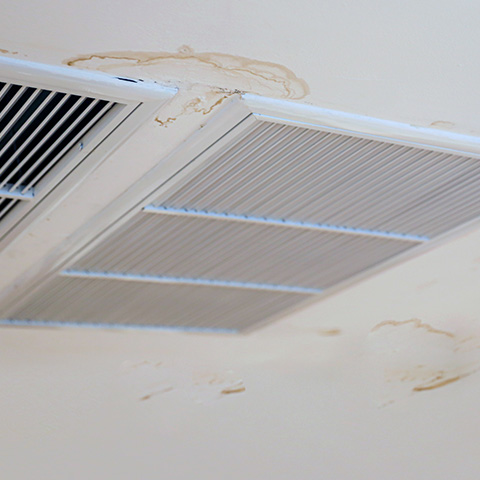
- Water stains on ceilings and walls
Safeguarding Your Twin Falls Home Against Future Storms
Twin Falls sits in a region prone to severe weather, so homeowners need to take proactive steps to protect their properties from future storms.
Storm-resistant upgrades bring peace of mind in Twin Falls, where local building codes reflect our intense winds and hail. Many neighborhoods sit where powerful weather sweeps across the Snake River Plain. Homeowners often invest in impact-resistant shingles or heavy siding to meet city requirements and reduce repair costs from future damage. Storm-rated windows can increase security and help insulate homes with southern exposure, which is common in the Magic Valley.
Consider using high-impact materials that withstand severe Twin Falls weather. Modern roofing and siding products provide extra durability against intense conditions. Strengthening windows and doors with storm-rated products offers another level of protection.
Preventive maintenance also plays a major role in protecting your property. Trimming trees away from the roof, cleaning gutters before storm season, and checking that downspouts move water away from your foundation can significantly reduce the impact of heavy rain and wind. In Twin Falls, where sudden gusts can turn small branches into projectiles, removing weak limbs and securing outdoor items like patio furniture and play equipment before a storm can minimize damage to siding, windows, and vehicles.
Navigating Storm Restoration & Insurance Claims
Storm damage is stressful, and the insurance claims process can feel overwhelming. Knowing the right steps helps you move forward confidently and get better outcomes.
Insurance adjusters in Idaho usually request photo documentation of your property before, during, and after restoration. Our team supports Twin Falls clients by taking clear, timestamped images and organizing digital records. We communicate with insurance contacts familiar with regional weather, ensuring the file matches recent storm patterns and supports an accurate damage assessment. This approach reduces claim delays and confusion for property owners.
Start by documenting all damage. Take photos and videos inside and outside, and highlight everything affected by the storm. Detailed records back up your claim and serve as a visual reference for your insurer. Review your policy to understand what it covers and what it may exclude. When you know your provisions and limits, you can better manage expectations throughout the claim process.
Next, consult a trusted restoration company like Magic Valley Restoration & Construction for a complete evaluation and repair estimate. Our detailed approach helps clarify needed repairs and provides strong documentation for insurance adjusters. Working with a responsive restoration team accelerates recovery and supports high-quality, lasting results for your home or business.
Throughout the claim, we aim to keep communication simple and transparent. We can help you understand common insurance terms, prepare questions for your adjuster, and organize contractor proposals so you can compare options clearly. Because we regularly assist with storm damage restoration Twin Falls property owners rely on after major weather events, we are familiar with typical timelines, documentation needs, and concerns that may arise. This experience allows us to guide you through each stage so you feel supported rather than overwhelmed by paperwork.

Why Hire Our MVRC Team?
Committed to Delivering Quality Work

-
Top Rated Reviews
-
Licensed, Bonded, and Insured
-
1 Year Warranty On All Completed Jobs
-
Locally & Family Owned with Hands-On Owners
-
24/7 Emergency Plumbing & Restoration Services
Frequently Asked Questions
-
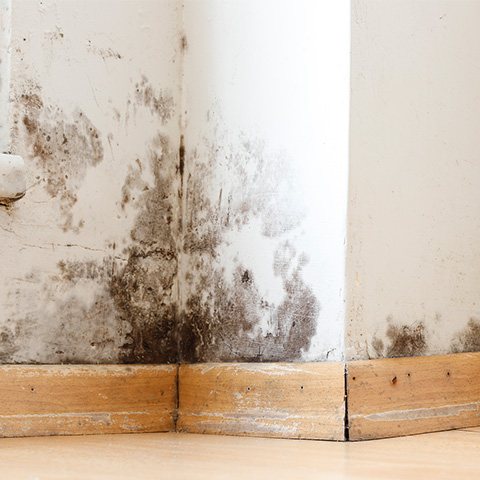
What Does Black Mold Look Like?You can often distinguish black mold from other types of mold or fungus by its slimy, dark-greenish color. It requires ample moisture to grow and thrive, so you will probably also notice signs of water damage around where it is located.
-
Is Black Mold Dangerous?Certain strands of black mold – Stachybotrys chartarum – can cause health problems if inhaled or ingested, especially for people with allergies, weakened immune systems, or respiratory issues. Not all types of black mold are dangerous. However, you might not be able to differentiate between one black mold and the next without laboratory testing. The safer choice is to always schedule a mold removal and remediation service whenever you spot mold in your house.
-
My Water Heater Is Leaking — What Do I Do?If it is safe to do so and you know how to do it correctly, shut off the water supply to your water heater. Next, turn off the power supply to the water heater. Both of these steps can help prevent further leaks and damage to the water heater. You might always want to loosen the drain valve and start collecting water in a bucket, ensuring no more leaks out. Call a professional to get the entire water heater inspected and repaired.
-
I Have Water in My Crawlspace — What Do I Do?Water in a crawlspace can harbor mold growth, make a cozy home for pests, and spike your water utility bills if it is caused by a leak. It can be remedied in some cases with a sump pump, vapor barriers, and dehumidifiers. Our pros can help decide the best restoration method for your situation.